Posts

Showing posts with the label JSON

How to deploy Bicep templates using Azure DevOps Pipelines
Image
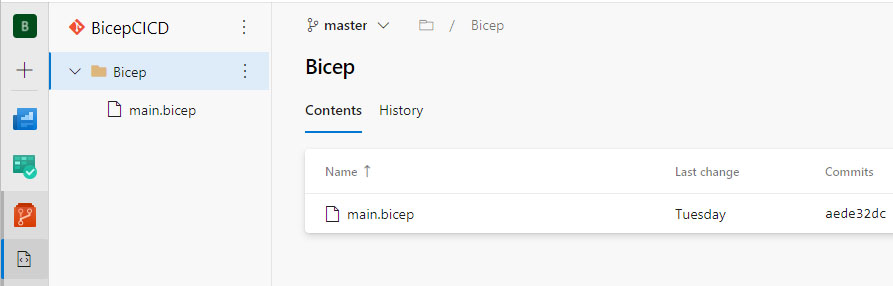
In this article, I'm going to walk you through submitting Azure Deployments using Bicep files from Azure DevOps. Unfortunately, up until now, there is no official task for this need, so we are going to use Azure CLI instead. We'll start with creating a new pipeline, so open your project in Azure DevOps, switch to the Pipelines view, and hit the new pipeline button. We're going to use the classic edition for this demo, so go for the Use the classic editor option at the bottom. The first step of a build pipeline is to select the source that contains your code. For this, I've created a Git repository in the same project that contains a bicep file and looks like this: By default, the source repository is going to be set to Azure DevOps, which is fine for our case: Moving on to the next step, we're presented with some template options for the pipeline. We'll start with an empty pipeline that we'll build ourselves so click the Empty Job option. The next screen i...

Office 365 Endpoint IP Address and URL Service

In the era of the cloud, service releases and changes are nearly constant. Microsoft Office 365 could not be an exception, especially with the large and increasing number of services and millions of users. But some of those changes and releases sometimes cause issues with on-premises infrastructure that is not property configured. Today I am going to focus on the networking side of things and talk about allowing access to Office 365 services from firewall and proxy servers. The first thing you'll need to permit access to Office 365 services from your on-premises machines is to know the service endpoints and by endpoints I mean IP addresses and URLs. Fortunatelly, this information is available from Microsoft in this   article so the only thing you'll have to do is read through it, get the information for the services you're using and configure your proxy server and firewall. That's easy, what happens though when that information is updated? This is where the problems sta...

Azure Instance Metadata Service

Image
The Azure Instance Metadata service is an Azure service that provides more information about Azure Virtual Machines that is invoked from the machine itself. This way, the administrators of the machine - that in most cases have no access to the Azure Portal - are able to get more information and troubleshoot potential issues. Let's use a linux virtual machine to get information from the metadata service! To get the data from the service, a simple HTTP call is all that is required. However, there are a couple of things to keep in mind. First, although we are using Automatic Private IP Addressing, we have to include the "Metadata" header so that the service won't mistake our call for a call that may be the result of a redirection. Second, the version of the API to use must be provided in every request. To get the allowed values, simply call the service without the "api-version" parameter and it should return a list of values: curl -H Metadata:true ...